The Anatomy of a Bespoke Trouser
Rise, break, pleat or flat front — every detail of a bespoke trouser is a deliberate decision that changes how you move and look through the working day.
The trouser is the most underestimated half of a suit. Clients will spend an hour discussing lapel width and button stance, then give the trousers five minutes. This is a mistake. A poorly cut trouser will undermine even the finest jacket, while a beautifully made pair can elevate a simple sport coat into something remarkable. At L&S, we give the trouser the same attention we give the coat — because we know that the way a man feels in his clothes starts from the ground up.
When you commission a bespoke suit at L&S Custom Tailors, the trouser receives the same level of craft and attention as the jacket. Every measurement, every detail, every construction choice is deliberate. The result is a garment that fits your body precisely, moves with you naturally, and maintains its appearance throughout the working day. This is what separates a bespoke trouser from anything available off the rack.
Rise: The Foundation of Fit
Rise is the single most important measurement in a trouser, and it is the one most ready-to-wear manufacturers get wrong. The rise is the distance from the waistband to the crotch seam, and it determines where the trouser sits on your body. Too short, and the waistband digs into your hips, the trouser pulls when you sit, and the front creases awkwardly. Too long, and the seat bags, the silhouette droops, and the trouser looks borrowed from someone else.
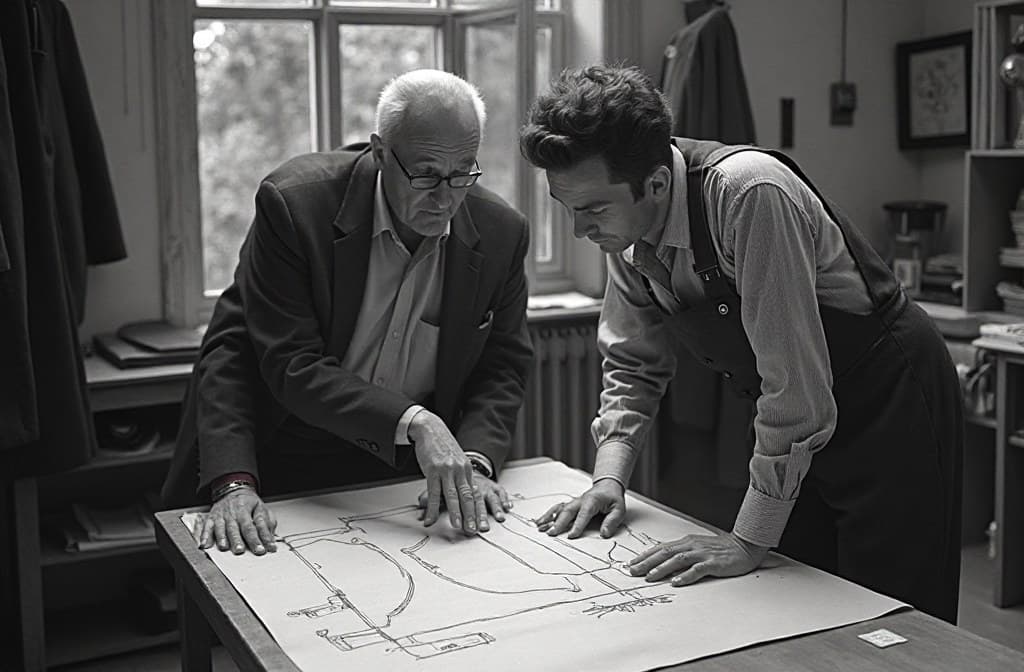
A bespoke trouser is cut to your specific rise — measured while you stand and adjusted while you sit — so that the waistband rests exactly where it should: at your natural waist, comfortably and without strain. This is not a minor detail. The rise affects everything downstream: how the trouser drapes, how it moves when you walk, how it sits when you cross your legs, how it photographs. Get the rise wrong, and nothing else matters. Get it right, and the trouser becomes invisible in the best possible way — you stop thinking about it and simply wear it.
Where the Trouser Should Sit
The natural waist — the narrowest point of your torso, typically just above the navel — is where a properly cut trouser belongs. Modern ready-to-wear has conditioned men to wear trousers at the hips, which is why so many men have never experienced the comfort and proportion of a correctly placed waistband. When a trouser sits at the natural waist, it distributes its weight evenly, requires no belt tension to stay in place, and creates a clean, unbroken line from waist to shoe. This is the foundation of classic proportion, and it is the starting point for every bespoke trouser we cut.
Pleats vs. Flat Front: Function Over Fashion
The question of pleats versus flat front is one that generates strong opinions, most of them based on fashion rather than function. The truth is that pleats serve a purpose: they provide extra fabric where the body needs it — across the hips and thighs — while allowing the trouser to drape cleanly when you stand. A single forward pleat is our most requested style, and it suits the widest range of body types. Flat fronts look sleek and modern but work best on slimmer builds; on a larger frame, they can pull and strain across the front.
We will always recommend what works best for your body, regardless of what is trending. A pleated trouser is not old-fashioned if it is cut correctly — it is practical and elegant. A flat-front trouser is not inherently more modern if it pulls and distorts when you sit down. The decision should be driven by your build, your comfort, and how you intend to wear the garment. During your consultation, we will discuss these options honestly and make a recommendation based on what will serve you best over the life of the trouser.
The Case for Side Adjusters
Belt or side adjusters? This is another choice worth considering carefully. Side adjusters — also called side tabs — allow for minor waist adjustments without a belt, which means a cleaner line through the waist and greater comfort when sitting. They are traditional, elegant, and particularly well-suited to high-rise trousers. A belt serves a purpose if the trouser needs to be cinched down, but a properly fitted bespoke trouser should not require that. Side adjusters are our default recommendation, though we will fit belt loops if you prefer them. The choice is yours, and there is no wrong answer — only the answer that suits your preferences and your wardrobe.
The Break: Proportion at the Shoe
The break — how much fabric pools at the shoe — is a matter of personal style, but it affects the entire proportion of the outfit. A full break, where the trouser rests heavily on the shoe with a visible fold, is traditional and forgiving; it hides the sock and moves well. A half break, with just a slight kiss of fabric at the shoe, is the modern standard and what we recommend for most clients. No break — where the trouser just touches the top of the shoe — is clean and sharp but leaves no margin for error; the hem must be perfect, and any shift in the shoe height will change the look.
We set the break during your second fitting, with the actual shoes you intend to wear, so that the proportion is exactly right. This is not a detail we leave to guesswork. The hem is marked, basted, and checked before final pressing. If you wear different shoe heights regularly — dress shoes for the office, loafers on weekends — we will discuss that during the fitting and adjust accordingly. The goal is a trouser that looks intentional and balanced, not accidental.
Cuffs or Plain Hem?
Cuffs — a folded band of fabric at the hem — add weight, structure, and a touch of formality. They help the trouser hang straight and resist wrinkling at the bottom. Plain hems are sleeker and more streamlined, and they work particularly well on flat-front trousers or on men of shorter stature, where cuffs can visually shorten the leg. We typically recommend 1.5-inch cuffs for pleated trousers and plain hems for flat-front trousers, but this is a guideline, not a rule. The final decision is yours, and we will show you the difference during the fitting so you can see what works best on your frame.
Why Trouser Fit Matters
A jacket commands attention. A trouser provides the foundation. When the trouser is cut correctly — when the rise is right, the seat is shaped to your body, the break is set precisely, and the construction is sound — the entire silhouette improves. You stand taller. You move more easily. You look more deliberate. This is not vanity. It is geometry. Proper proportion creates visual balance, and visual balance creates presence.
If you have never worn a bespoke trouser, it is difficult to articulate what the difference is. If you have worn one, it is difficult to settle for anything less. That is the standard we build to, and it is the standard we maintain. Every bespoke commission at L&S includes a trouser cut to your measurements, fitted to your body, and finished to the same level of craft as the jacket. Because the suit is a pairing, and both halves matter equally.
Experience It Yourself
Book a consultation at our East 61st Street workshop and discover the difference that fifty years of craft can make.
Book a Consultation