A Guide to Fabric Weights
From 7-ounce tropical wools to 16-ounce overcoatings — a complete guide to fabric weight for bespoke suits, from L&S Custom Tailors on East 61st Street.
Fabric weight is measured in ounces per linear yard or grams per linear metre, and it is one of the most important factors in determining how a suit will look, drape, and perform across seasons. Yet it is also one of the most overlooked. Clients who spend hours deliberating over colour and pattern will sometimes give no thought at all to weight, which is a bit like choosing a car by its paint colour without asking about the engine.
At L&S, we stock bespoke suit fabrics ranging from 6.5-ounce open-weave tropicals to 16-ounce overcoating, and selecting the right weight for the garment and the season is one of the first conversations we have with every client. Weight affects everything: how the cloth drapes, how it handles wrinkles, how it feels against your body, how it photographs, and — crucially — how comfortable you will be wearing it for eight or ten hours on a July day in Manhattan versus a February morning.
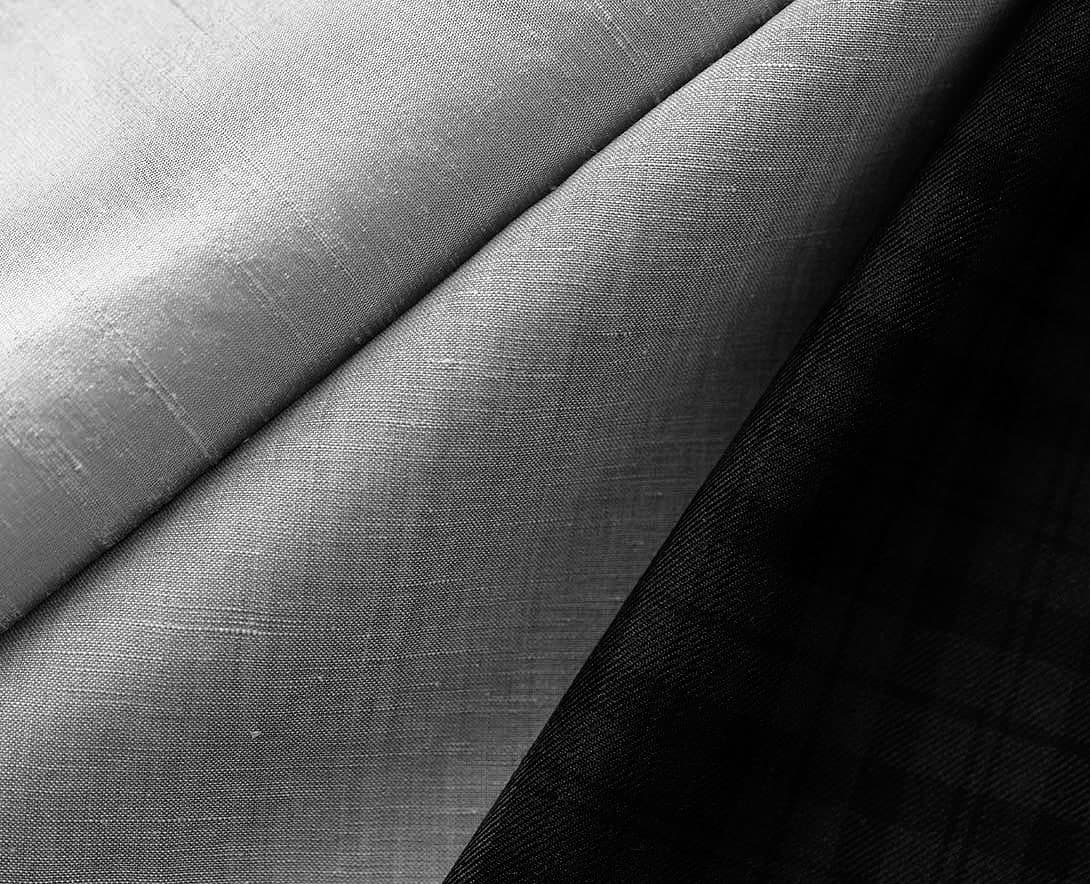
Lightweight Fabrics: 7 to 9 Ounces
Lightweight fabrics — roughly 7 to 9 ounces — are designed for warm weather. They breathe well, feel cool against the skin, and move with the body. The trade-off is that they wrinkle more easily and can lack the body needed for a sharp, structured silhouette. This is not a flaw; it is a characteristic, and for many of our clients the relaxed, slightly rumpled look of a summer suit is part of its charm.
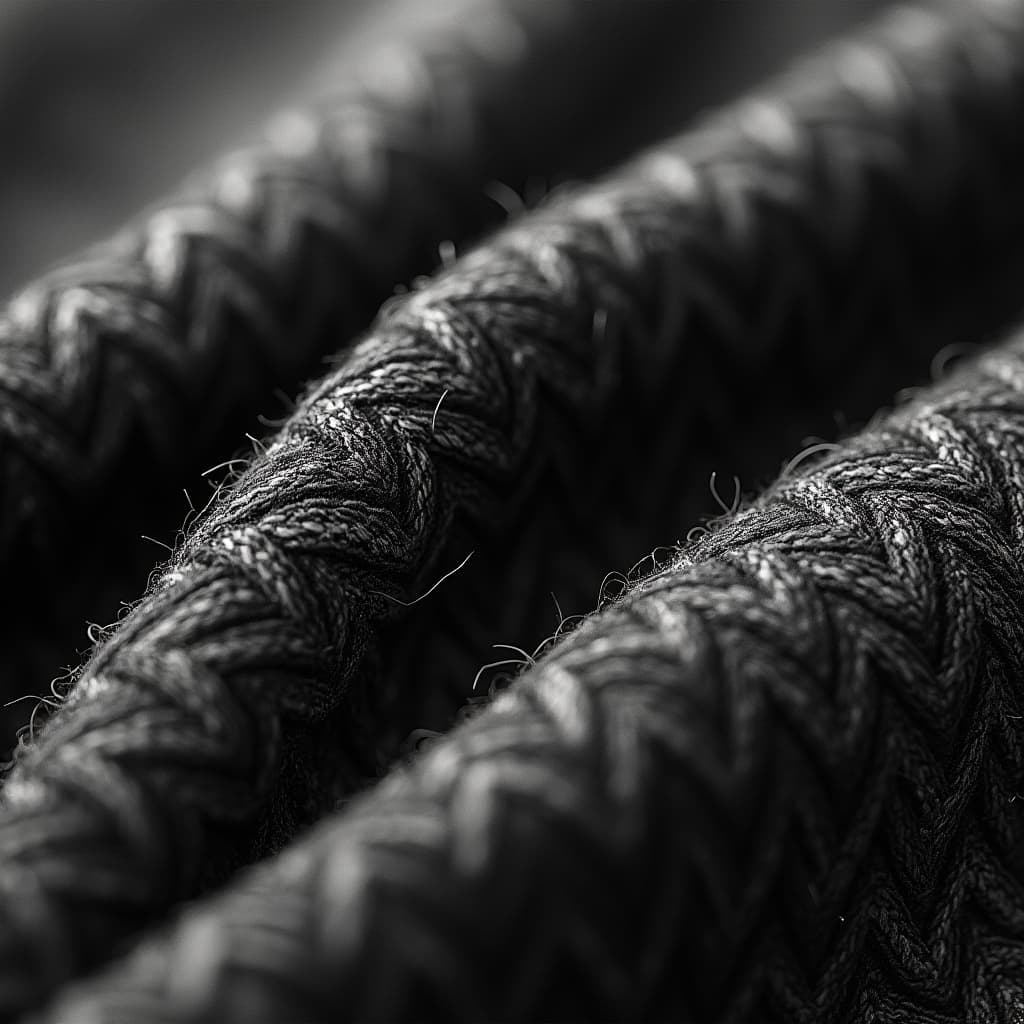
The best lightweight cloths come from Italian mills like Caccioppoli and Loro Piana, who weave open, breathable fabrics in tropical wools, cotton-linens, and silk blends that are engineered to handle heat and humidity. These cloths are designed to be worn without an undershirt in climates where air conditioning is intermittent and sidewalks radiate heat. They pack well, travel well, and recover quickly from compression. A 7-ounce tropical worsted is one of the few suit fabrics that can be worn comfortably in 90-degree heat without looking like you are suffering for your clothing.
When to Choose Lightweight
If you spend summers in New York, travel frequently to warm climates, or simply run hot, a lightweight suit is not a luxury — it is a practical necessity. We recommend lightweight fabrics for clients commissioning a second or third suit who already own a mid-weight navy worsted and are looking to expand their seasonal versatility. The first suit should be mid-weight. The second can be lightweight.
Mid-Weight Fabrics: 10 to 12 Ounces
Mid-weight fabrics — 10 to 12 ounces — are the workhorses of a bespoke wardrobe. A well-chosen 11-ounce worsted wool can carry you from September through June in most climates, making it the ideal weight for a first suit. These cloths have enough body to hold a clean line through the chest and lapel, enough drape to fall gracefully from the shoulder, and enough resilience to bounce back from a long day without looking tired.
The great English mills — Holland & Sherry, Dormeuil, Dugdale Bros — produce some of the finest mid-weight worsteds in the world, and we keep a deep selection of their books in our fabric library. These are the fabrics that define what most people think of when they picture a well-tailored suit: crisp, clean, precise, with a smooth surface that holds a press and a hand that feels substantial without being heavy. A mid-weight worsted is appropriate in every professional context, from a courtroom to a boardroom to a wedding.
The Versatility Argument
Mid-weight is also the most forgiving weight range. A 10-ounce cloth can be worn comfortably in moderate heat if the weave is open enough. A 12-ounce cloth can handle a cold day if layered over knitwear. The sweet spot — 11 ounces — is genuinely comfortable from late March through early November in New York, which covers the majority of the year. That versatility is why we recommend mid-weight for a first commission. You will get more wear out of it than any other weight category.
Heavyweight Fabrics: 13 Ounces and Above
Heavyweight fabrics — 13 ounces and above — are reserved for autumn, winter, and the kind of cold New York days when you want a suit that feels like a warm embrace. Flannel is the classic heavyweight cloth: soft, slightly fuzzy, with a matte finish that photographs beautifully and takes colour in a way that worsteds cannot. A charcoal flannel suit in 13 or 14 ounces is one of the most elegant garments a man can own, and it is warm enough to wear comfortably on a 30-degree day without an overcoat if you are moving quickly.
Heavier still are the tweeds and coatings — 15 to 16 ounces — used for sport coats and overcoats that need to stand up to genuine cold. These are substantial fabrics that have weight in the hand, texture on the surface, and a rugged character that lighter cloths cannot match. They are not for everyone, but for clients who spend winters in cold climates and want a suit that doubles as outerwear, a heavyweight tweed is a remarkable piece of clothing.
Building a Strategic Wardrobe
Building a versatile wardrobe means thinking in terms of weight as much as colour. A man with a navy 11-ounce worsted, a charcoal 13-ounce flannel, and a tan 8-ounce cotton-linen is covered for virtually any occasion in any season. Add a mid-grey 10-ounce sharkskin and a cream 9-ounce linen, and you have a five-suit rotation that can handle a decade of professional and social life without ever looking repetitive.
We are always happy to help clients think through this kind of strategic planning — it is, after all, one of the great advantages of working with a tailor who knows your wardrobe as well as you do. When you book a consultation at L&S, we do not just help you choose a cloth for the commission at hand. We help you think about where that commission fits in your broader wardrobe, what it should accomplish, and what you should consider next. Weight is part of that conversation. Colour and pattern are part of it. But weight comes first.
Experience It Yourself
Book a consultation at our East 61st Street workshop and discover the difference that fifty years of craft can make.
Book a Consultation