Why Full Canvas Still Matters
In an age of fused construction, we explain why every L&S suit is built on a full floating canvas — why it moulds to your body, breathes better, and lasts longer.
Walk into any department store and pick up a suit jacket. Press the front panel between your fingers. If it feels stiff and papery, like a sheet of cardboard wrapped in wool, you are holding a fused garment — one in which the outer fabric has been glued to a synthetic interlining with heat-activated adhesive. It will look sharp on the hanger, maybe even for the first few wearings. But over time the adhesive degrades, the chest begins to ripple and bubble, and the jacket loses every trace of the shape it once had.
This is the reality of roughly ninety percent of suits sold today, and it is why we have never once used fusible interlining in our workshop. When a client books a bespoke suit consultation at L&S Custom Tailors, they are guaranteed full canvas construction. Not as an upgrade. Not as an option. As standard. It is simply how a suit should be made.
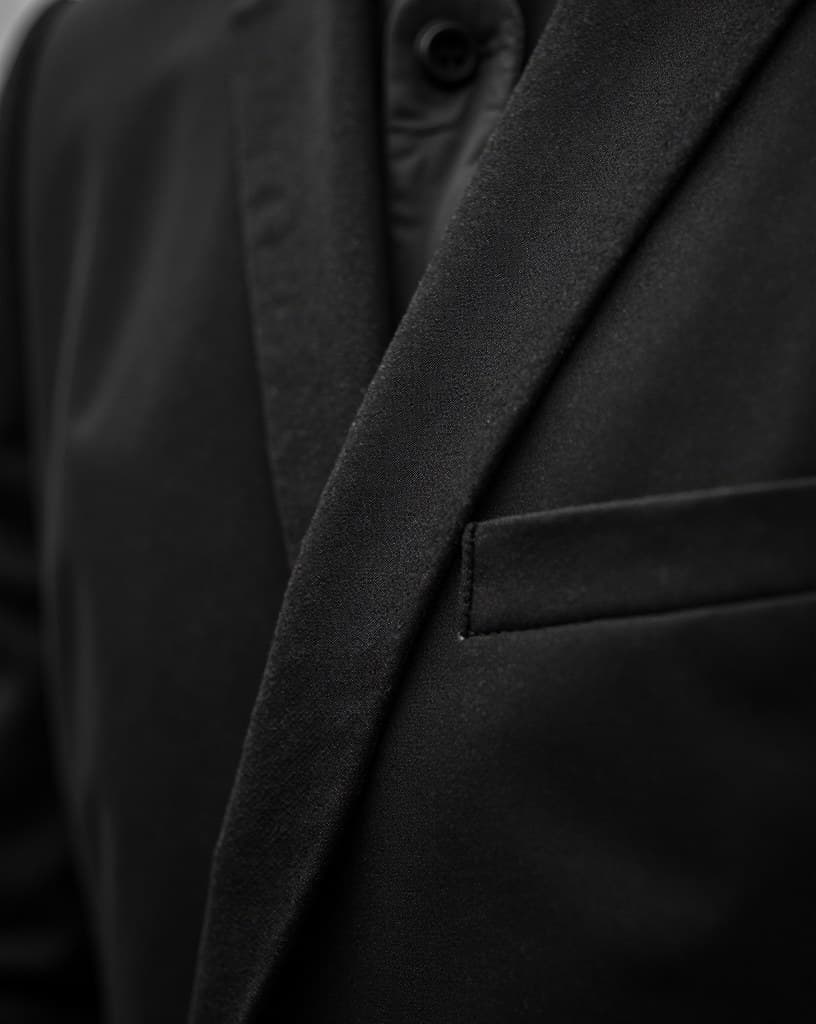
What Full Canvas Actually Is
A full-canvas suit is built on a skeleton of horsehair and wool canvas that floats freely between the outer cloth and the lining. Nothing is glued. The canvas is attached by thousands of tiny pad stitches — each one placed by hand at L&S — that gradually mould the interlining to the curves of the wearer's chest. This is not quick work. A single chest piece requires several hours of hand stitching to complete, with the stitches placed at precise intervals and angles to create the three-dimensional shape that will eventually conform to your body.
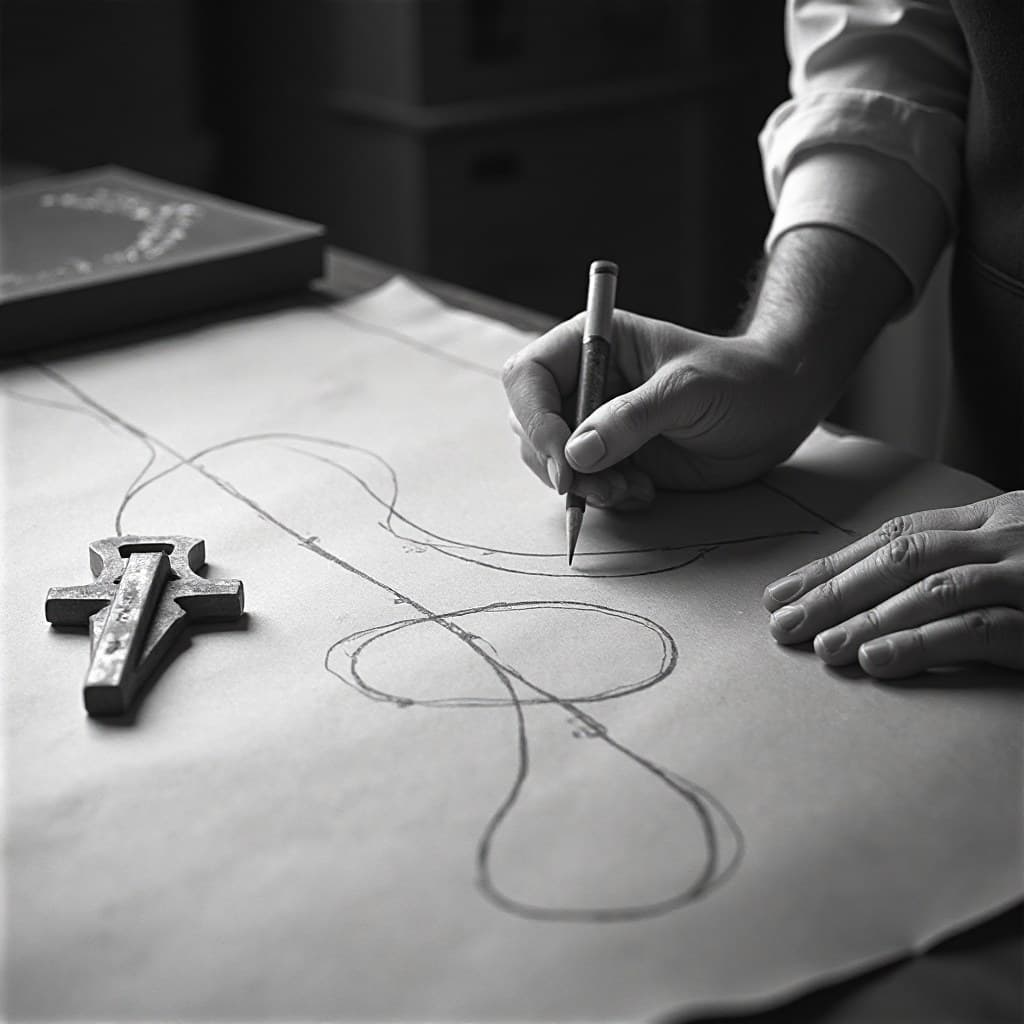
Over weeks and months, the suit literally learns the shape of your body. The drape improves with age rather than deteriorating. The front of the jacket rolls naturally at the lapel instead of being pressed flat, creating the soft, three-dimensional look that distinguishes a handmade garment from a manufactured one. This is not romantic language. It is literal description. A floating canvas moves with you, molds to you, and improves over time in a way that a fused garment cannot.
The Difference You Can Feel
The first time a client puts on a full-canvas jacket after wearing fused garments for years, the difference is immediately perceptible. The jacket feels lighter, even though the canvas adds weight. It feels more flexible, even though the structure is more sophisticated. It breathes. It moves. It does not fight you when you sit down or raise your arms. These are not subtle distinctions. They are the entire reason bespoke tailoring exists.
The Practical Advantages of Full Canvas
There is also a practical argument for full canvas that goes beyond aesthetics. Because the interlining is not bonded to the cloth, air circulates between the layers. A full-canvas jacket breathes better in warm weather and insulates more effectively in cold weather. In New York, where summers are humid and winters are cold, this is not a trivial consideration. A full-canvas suit is simply more comfortable to wear across a wider range of temperatures.
The horsehair canvas is naturally resilient; it springs back after being compressed, which means the jacket recovers its shape overnight on a hanger without pressing. Fused jackets, by contrast, trap heat against the body and crease more readily because the stiffened panel cannot flex and recover the way a floating canvas does. A full-canvas jacket maintains its appearance for decades if properly cared for. A fused jacket begins to degrade within a few years, and once the delamination begins — once the chest starts to bubble — there is no repair. The garment is finished.
The Longevity Factor
We have clients who have worn the same L&S suit for fifteen or twenty years. The cloth may show wear at the edges and the lining may have been replaced once, but the chest piece — the foundation of the garment — is still sound. That is what full canvas delivers. A fused suit may cost less initially, but if it must be replaced every three to five years while a canvassed suit lasts twenty, the economics shift dramatically. Cost per wearing is the only honest way to evaluate clothing, and by that measure full canvas is not expensive. It is efficient.
Half Canvas Is Not a Compromise Worth Making
Half-canvas construction — where the chest piece is canvassed but the lower front is fused — is sometimes presented as a reasonable compromise. And for a ready-to-wear garment at a moderate price, it can be. But in a bespoke context, where the entire suit is being cut and assembled to your individual measurements, there is no reason to compromise on the very foundation of the garment.
The labour required to extend the canvas through the full front panel adds only a few hours to a process that already spans forty or more hours of handwork. The cost difference is negligible. The performance difference is significant. The result is a suit that will look better and last longer than any half-measure. If you are commissioning bespoke, commission it properly. There is no point in paying for precision construction and then cutting corners on the interlining.
How L&S Approaches Canvas
At L&S, full canvas is not an upgrade or an optional extra. It is simply how a suit should be made. We source our horsehair canvas from a single French mill that has been weaving it for over a century, and we stock three different weights to match the cloth being used — a lighter canvas for summer tropicals, a medium weight for year-round worsteds, and a heavier canvas for overcoats and flannels. The canvas is selected based on the weight and drape characteristics of your chosen cloth, not based on a formula or a chart. That judgment is part of the craft.
It is one of dozens of decisions we make on every commission that the wearer will never see but will always feel. That is the point of full canvas construction. That is the point of bespoke. The foundation is invisible, but it determines everything that sits on top of it.
Experience It Yourself
Book a consultation at our East 61st Street workshop and discover the difference that fifty years of craft can make.
Book a Consultation